



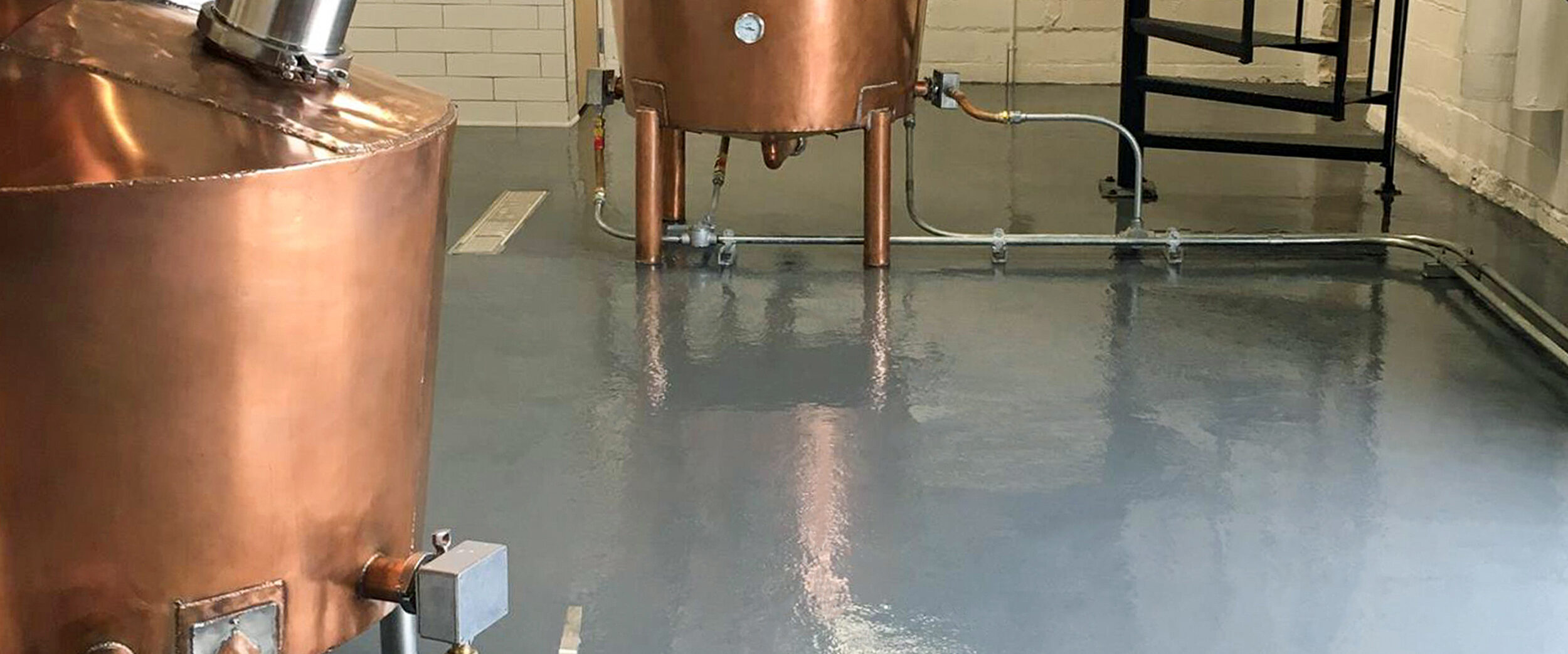
11 Oct Food and Beverage Epoxy Flooring
Benefits of Epoxy Flooring for Food Processing and Beverage Industries
Flooring needs for the food and beverage manufacturing industry are rigorous. The standards are high, the equipment is heavy, and cleanliness is of highest priority. This means that the choice of flooring can significantly impact daily operations. One flooring solution that has become increasingly popular in this industry is epoxy flooring. Its durability and easy maintenance are just some of the many advantages. Here’s how epoxy flooring can potentially revolutionize your facility’s operations.
The Need for Durable and Resilient Flooring
Food manufacturers adhere to rigorous health guidelines and undergo regular inspections to uphold these standards. They implement preventive measures to minimize or eliminate food contamination risks. Given that the floor is regularly exposed to various food products, experiences frequent moisture and heavy foot traffic, it is crucial to have a long-lasting, resilient floor that can be easily cleaned.
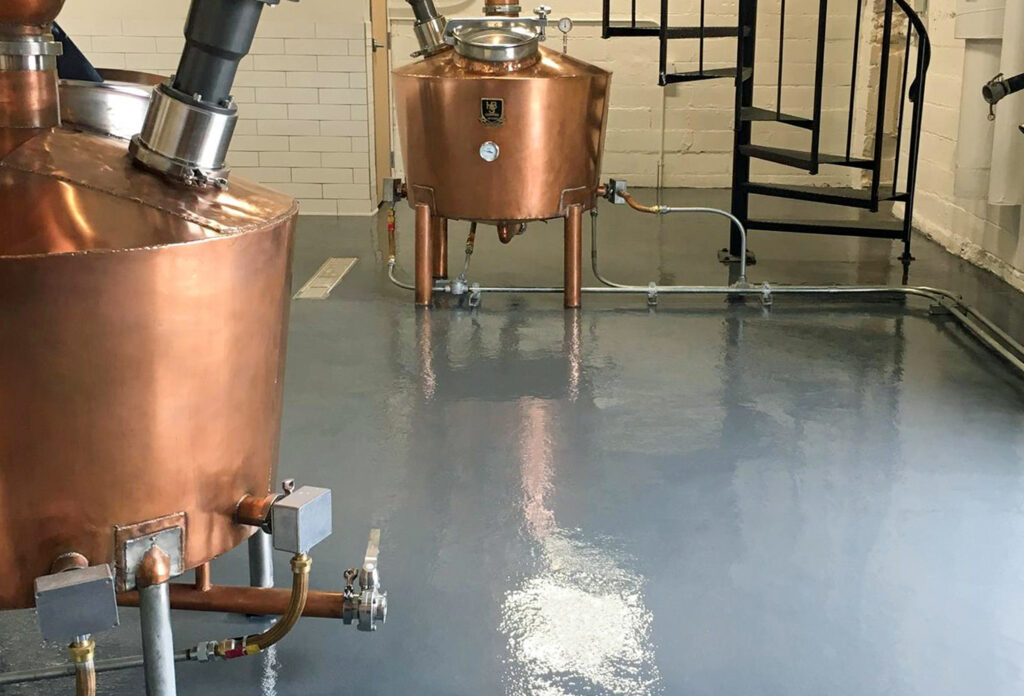
Such a flooring solution contributes to the overall health and safety of the facility over an extended period. For facility managers in this industry, the ability to avoid frequent floor repairs is vital for maintaining a safe and efficient operation while juggling numerous other maintenance tasks.
In the daily operations of food manufacturing facilities, the floors are subjected to various forms of wear and tear. With goods being delivered on pallets and moved around by forklifts and pallet jacks, the typical concrete floor found in warehouses may not suffice in the food processing industry. Instead, sealed epoxy flooring is necessary to meet the stringent requirements of these areas, ensuring a healthy environment for the food items.
In the processing areas, frequently wet floors pose a significant challenge. The combination of a wet floor and food ingredients is the perfect habitat for mold, mildew or bacteria to thrive. To prevent this from happening facilities require a non-porous surface that can be quickly cleaned. Given that the floors are frequently wet, slip resistance is also vital to the safety of the employees. Utilizing floor mats and non-slip shoes help with the protection of employees, but also having a non-slip epoxy floor can further the safety of the facility.
Hygiene Requirements
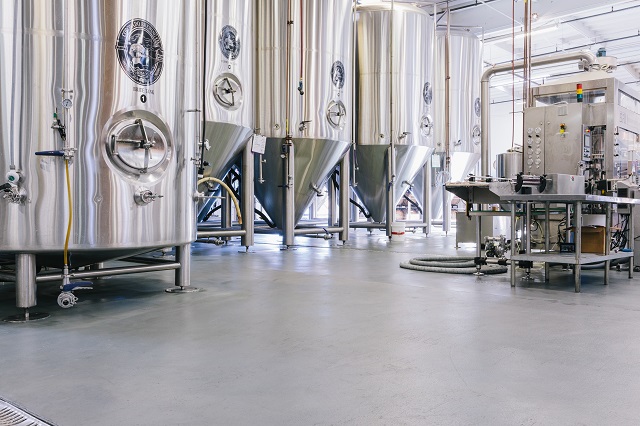
Stated a bit in the first Q&A. To ensure that manufactured goods are healthy for consumption and free from any contamination. Epoxy flooring is seamless in its design making it an easier to clean, healthier option than other flooring systems. Water, food ingredients, sauces or cleaning liquids will not penetrate the smooth surface making it easier to wipe up and clean. The inclusion of a fully seamless, integrated cove further enhances the ease of maintenance and cleanliness.
Benefits of Epoxy Flooring for Beverage Manufacturing Companies
- Easy to clean
- Seamless design means no dirt catching grout lines
- Optional anti-microbial additive for enhanced resistance
- Optional integrated cove
- Urethane cement systems under ovens and in fridge/freezers/coolers withstand heat fluctuations preventing chipping, cracking and delaminating.
- Durable, Long lasting will hold up in the toughest enviroments
Epoxy Flooring and Safety Regulations
The Minnesota Department of Agriculture oversees the federal regulations set forth by the FDA. There are a wide variety of regulations depending on the specific food processing industry. Whether it be wholesale food establishments, fish/seafood, bottled water, liquor, supplements and many other industries the Dept of Ag is the go to resource for all rules, regulations and statutes.
How does epoxy flooring help meet these standards?
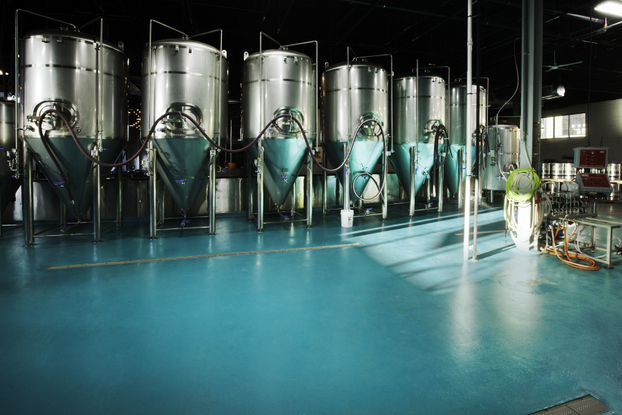
The epoxy coatings we install are approved for use in USDA inspected facilities. While some food industry regulations may not require this type of sealed floor specifically, the inherent properties of epoxy would be a benefit to any facility involved in the food industry. Epoxy protects concrete, brightens facilities, is easy to clean, is durable and long lasting. Uncoated concrete tends to collect dust easier, is prone to deterioration, chipping, cracking and spalling; and can be expensive to repair. A lower cost option to protect the facility, long term, is to seal with epoxy.
Cost-effectiveness of Epoxy Flooring
The installation costs for epoxy flooring can differ significantly based on the chosen system and optional add-ons. Thin mil systems have a relatively low installation cost but still deliver good long-term advantages. The higher cost systems: ones that are high build coatings, those with a cove base or specialized protection, represent the top of line options and offer the most long-term protection to their given environments. The cost of these premium systems will be comparable to other options like tile, however, the minimal cost association with cleaning and maintenance means the value will amortize well.
How does the installation and maintenance cost of epoxy flooring compare to other flooring options? What is the typical lifespan of epoxy flooring in a food processing or beverage facility?
The premium systems are designed to last for years, or decades in some cases. Regular cleaning and maintenance will keep the flooring system performing well for a long time. Another benefit is that if the floor becomes damaged, it can be patched or touched up quickly. Should a facility want to change colors or freshen up the look of the floor, epoxy can easily be recoated over without the initial prep and costs associated with it.
Here at Swedebro, we understand the unique challenges and requirements of the food processing and beverage industry. Feel free to contact us to learn more about how epoxy flooring can benefit your facility.