CONCRETE EPOXY FLOORING FOR FOOD PROCESSING FACILITIES
Markets
Concrete Epoxy Flooring for Food Processing Facilities
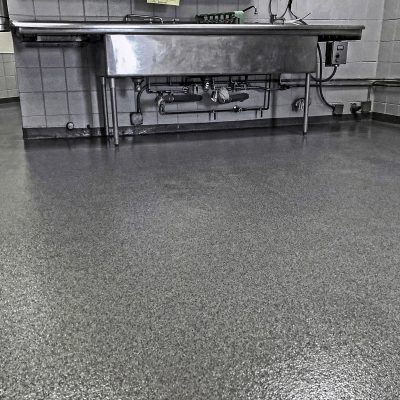
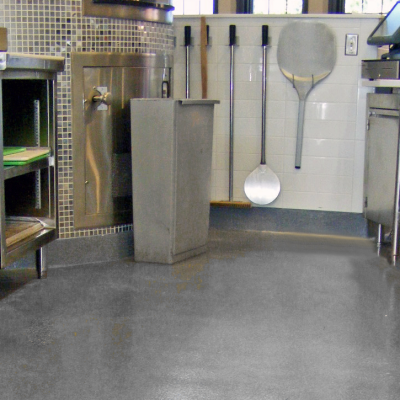
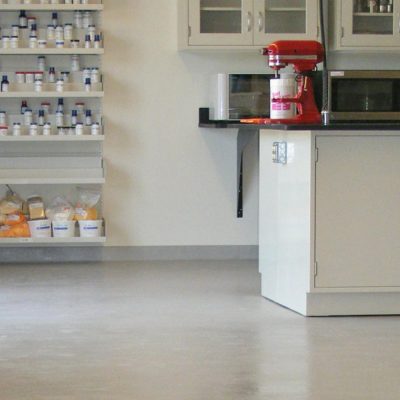
Food processing facilities often require concrete epoxy flooring that meets USDA and FDA requirements. SwedeBro can meet those requirements and provide extra features such as non-slip, easy-cleaning, and decorative flooring! Epoxy systems are seamless meaning there are no dirt-catching grout lines where bacteria and fungi such as mold and yeast can grow. The epoxy systems most often used in food processing are solid color or decorative quartz, providing several options to match the aesthetics of your facility. All of our epoxy systems are chemical, stain, impact, and abrasion resistant. This makes them ideal where spills frequently occur and for high traffic areas.
Urethane cements are the top choice for food processing facilities. They have a rapid return to service time that minimizes costly downtime. They are the most durable option for flooring, and will maintain their integrity longer than quarry tile or other flooring options. Epoxy and urethane cement systems can both be customized to include an integral cove
SwedeBro can install the cove to run up the wall 4” or 6” to contain spills and maintain cleanliness. We can customize the slip resistance to meet any facility’s needs and protect your employees. Upgrade your food processing facility and partner with SwedeBro for concrete epoxy flooring that you can trust. Check out some of our favorite concrete epoxy flooring installations in food processing facilities and see what a partnership with SwedeBro can do for you!
Frequently Asked Questions
about Epoxy FLOORING FOR FOOD PROCESSING FACILITIES
What type of flooring is best for food processing facility flooring?
Urethane cement: for its high heat resistance, moisture tolerance, chemical resistance and over all durability in a heavy duty, high traffic environment.
Adding an integral cove for the floor to wall transition to any of our systems adds another level of cleanliness.
How does equipment affect the flooring?
Either urethane cement or quartz flooring will hold up to any amount of traffic. These coatings were designed to hold up in heavy duty industrial or commercial environments
What regulations exist for food processing facility floors?
It’s always best to check with state and local health, food, or Ag departments to see what your facility requires. There are certain features of resinous flooring that WILL meet any requirements, but you really want to spend money efficiently by purchasing the system that meets your specific needs. Ex. There may not be a need to have a urethane cement system in a kitchen that is not exposed to high heat or hot oil spills.
How long is the downtime required for installing epoxy floors in a food processing facility?
Depending on the size of the kitchen and the flooring type selected we can finish projects anywhere from 1 to 5 days. Urethane cements have a full return to service in 12 hours so projects can be completed one day, and kitchens will be back open the next!
How long does an epoxy food processing facility floor last?
Any epoxy floor can last 10 years of more with proper cleaning and maintenance. If any damage occurs in that time, it is very easy to repair and touch up.
Food Processing Gallery
Let’s get in touch
free estimate
Fill out the form to receive a FREE estimate customized to your project requirements. You will receive a reply within 1-3 business days.