Laboratory Floor FAQ
Can SwedeBro’s flooring solutions meet the stringent cleanliness standards of science and tech facilities?
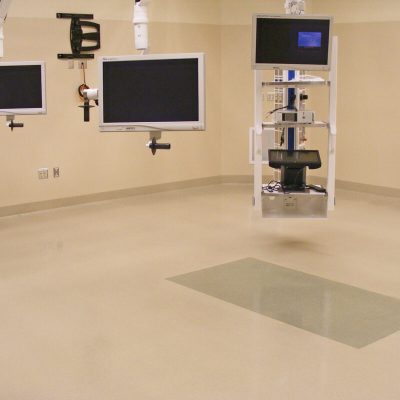
Yes, our epoxy flooring options are ideal for laboratories requiring high standards of cleanliness. The seamless nature of our solid color epoxy floors simplifies daily cleaning routines, allowing for easy sweeping, mopping, and spill removal.
Why are thin-milled epoxy systems recommended for laboratory floors by SwedeBro?
The simplicity of thin-milled epoxy systems aligns with the needs of laboratory environments, which demand durable, easily cleanable, and chemical-resistant floors. Despite offering a range of systems, the thin-mil, smooth, and seamless epoxy solution is particularly beneficial for lab floors.
Do SwedeBro’s epoxy systems offer chemical and stain resistance?
Our coatings, including epoxies and urethanes, are resistant to a wide spectrum of chemicals and hazardous materials. The seamless design helps prevent liquid penetration, making for easy cleaning. Prompt spill management is advised to avoid staining or floor damage.
How do SwedeBro’s flooring solutions offer protection against electric shocks?
We offer customizable epoxy flooring options with electrostatic dissipative (ESD) properties for environments where protection against electric shocks is crucial. These spark-proof flooring systems are designed to safeguard both personnel and sensitive machinery.
What is the longevity of epoxy flooring in laboratories, and are they easily repairable?
With proper care, epoxy floors in laboratory settings can last for many years, often exceeding a decade. In the event of damage, epoxy floors can be efficiently patched and repaired, maintaining a seamless appearance and functionality.
Can laboratory floors be customized for specific features like slip resistance and reflectivity?
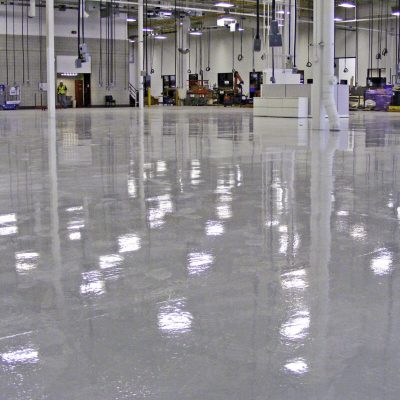
Absolutely. We offer customizations including slip-resistant additives that enhance safety without compromising cleanability. For labs handling hazardous materials, we can incorporate features like coved flooring to contain spills and prevent the spread of dangerous substances.