



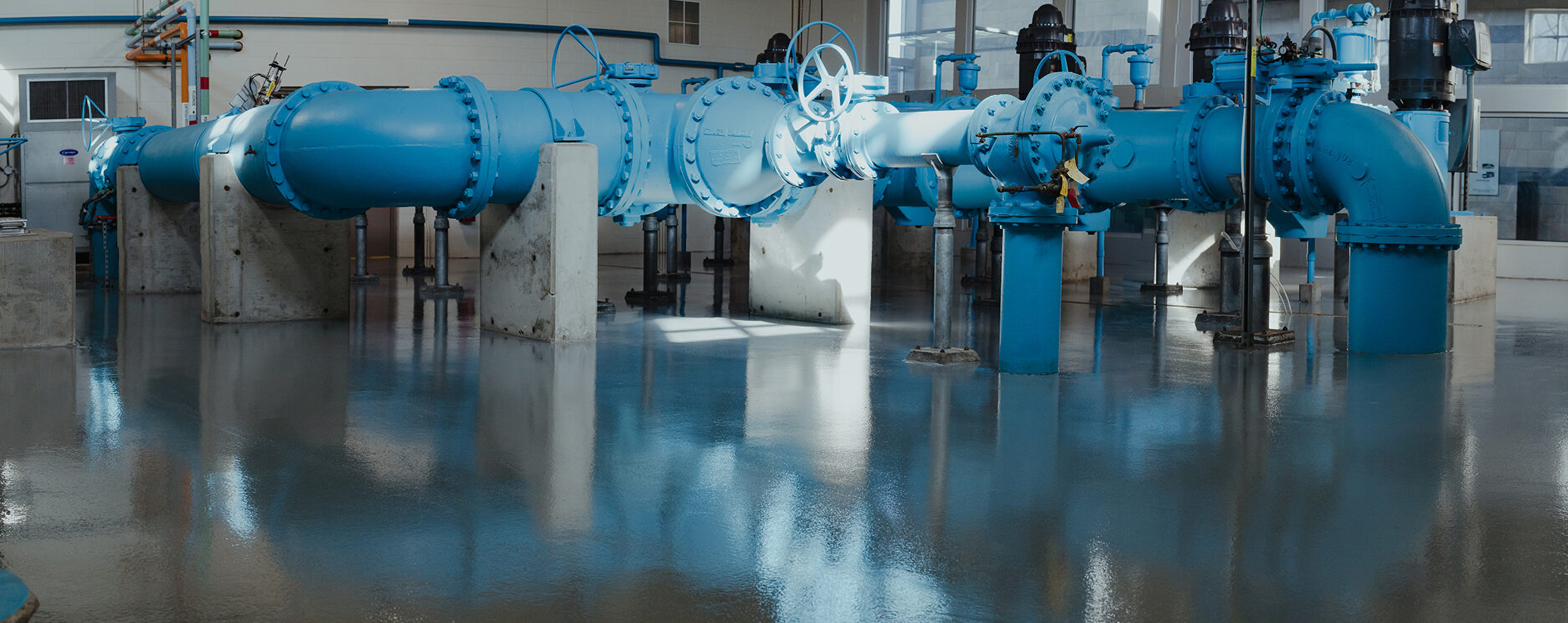
17 Feb Moisture Vapor in Concrete: What is it and How to Deal with it?
What is a Moisture Vapor Barrier in Concrete?
What is a Concrete Moisture Vapor Barrier?
Moisture vapor is the gaseous form of water. It is measured as relative humidity in the atmosphere. Due to the nature of how concrete is formed, it is a porous material that allows moisture and water vapor to migrate from below the slab to the floor above. As humidity changes throughout a day or over the course of year, moisture will travel through the concrete to areas of lower relative humidity.

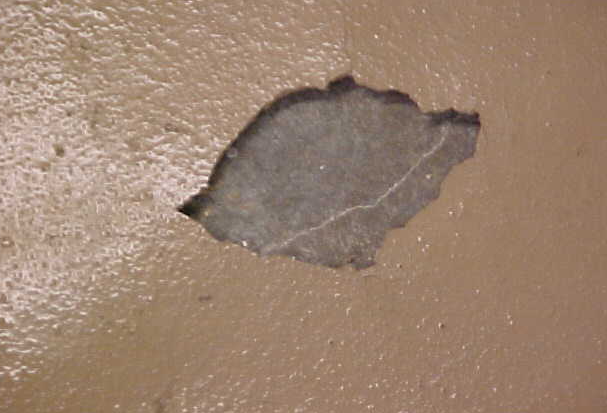
When 100% solids epoxies are installed on a floor it creates an impermeable barrier that is great at protecting the concrete from corrosion. After an epoxy floor coating is installed water, salt and oils from above cannot penetrate through and corrode the concrete underneath. However, the vapor transmission, and the ions contained within the concrete, will travel up through the concrete slab causing the epoxy polymer to de-bond from the concrete. The pressure from the moisture vapor will cause the coating to form a bubble and begin to break away from the concrete. Once a coating has been damaged it quickly deteriorates, essentially no longer doing its job, which is to protect the concrete.
Managing Transmission with a Moisture Vapor Barrier
There are a couple of ways to manage the issue of moisture vapor transmission. With new construction a moisture vapor barrier can be installed directly under the concrete slab. Eventually, as the concrete cures the moisture within will fully evaporate in roughly 28 days. We can then install our epoxy coatings system.
Also, we can test for moisture vapor with an insitu probe to ensure that all the moisture has evaporated prior to installation. The reason for this is that there can still be enough residual moisture left from the concrete forming process to cause issues for moisture sensitive coatings.
Some projects require a faster timeline than the roughly 28-day cure of the concrete. In that case we have several options to manage moisture. These moisture blocking technology products can block moisture up to 97-99% relative humidity. We typically install products like BASF’s MasterTop VB 240FS or Sherwin-Williams’ Resuprime. Products such as these offer tenacious bond to the concrete and can withstand high water vapor pressure.
Moisture Vapor Barriers with Older Concrete Flooring
Sometimes older floors were installed before it was common practice to place a vapor barrier underneath the concrete slab. For these situations there is no 100% guaranteed way to control or block vapor pressure and we don’t want to risk installing a traditional epoxy system, only to have it fail. So, we install Sherwin-Williams’ Resuflor Aqua. This is a water-based epoxy system which is breathable and can be applied to “green” concrete, meaning it allows the water vapor transmission to pass through the coating without affecting the adhesion of the epoxy flooring system. No moisture testing is required, and we can install this system 7 days after a concrete floor is poured.
If you would like to know more about the services we offer or think you may have moisture vapor barrier issues in your concrete, reach out to us for a free site evaluation. With over 20 years of experience in the epoxy flooring industry, we have the expertise to find a solution for your floor.