




09 Feb Preparing Cracks and Joints in Concrete
Preparing Cracks and Joints in Concrete
Timing of Fixing Cracks in Concrete Floors
When deciding how to fix cracks in concrete at your facility, we often get asked when the ideal time is to fix these cracks. Sometimes it makes since to fix after the first sign of a crack, and other times it’s addressed once it becomes a hindrance to using the surface. Remember, each facility is unique. Floors that have a few small cracks with minimal traffic may not need to be address it for many years. Other facilities may have bad cracking and even lifting of concrete creating trip points in areas where people or equipment are frequently traveling. If this is the case, make sure to fix these cracks or contact a professional to ensure the surface is restored and is safe for use again.
Tools and Materials Needed
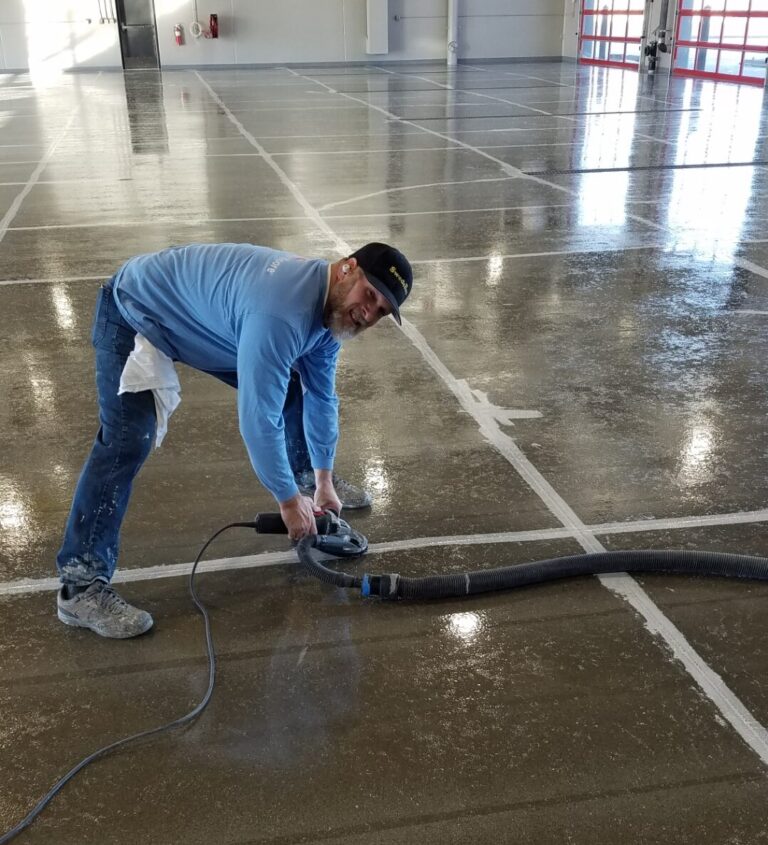
There are a few tools and materials needed when repairing cracks in concrete. At SwedBro, we use epoxy patch filler or flexible joint sealants depending on each situation. All concrete needs to be prepared prior to coating. This means we will grind or shot blast an entire floor that we are coating. This is typically sufficient prep for addressing cracks prior to coating. In some cases, cracks will need to be routed out to create greater bond of the filler. For garages or other floors that require a flexible coating we will use a flexible joint sealant that allows for maximum movement with the coating.
DIY Repairs of Cracks in Concrete Floors
As with many specialty services people often don’t have the experience or equipment to assess the damage and repair it properly. With that being said, we always recommend having a professional come to your facility to assess the condition of your concrete to properly ensure the safety of those who regularly use the concrete.
Multiple Repairs
When looking at how to fix cracks in concrete, there is often an opportunity to repair a crack again instead of replacing the whole floor. Cracks can be repaired several times, however, investing in the correct long-term solution for your facility should prevent almost any type of cracks for the life of the floor, often more than ten years.
Addressing the Cause for a Long-Term Solution
Addressing the cause for cracking is important to finding a long-term solution. There are multiple reasons for why a floor is cracking and its best to have an expert address the needs of each facility. At SwedeBro, we can install an epoxy system with Crack Bridging Technology. This means that the floor will have enough flexibility to prevent future cracks from showing through the epoxy coating. Knowing just how to fix cracks in concrete will not be enough, because by only fixing the cracks and not sealing the entire floor, you will leave the concrete exposed to the elements. Elements like water and salt break down an unsealed floor significantly more rapidly, leading to future cracks, pits, and other unsafe conditions.
Replacing a Badly Cracked Concrete Floor
Replacing concrete is an option, although typically this is more expensive than an epoxy system, which would simply need to be repaired and sealed if damaged.
Preventing Cracking in Concrete Floors
If you want to know how to fix cracks in concrete, it’s likely that you’ll also want to know how to prevent more cracking in the future. Unfortunately, there is nothing to be done to “stop” cracking. Buildings settle and concrete shifts over time. Most of the ways that concrete floor cracking can be prevented is when the building is designed, and the concrete is poured. If done right, there can be custom joints added to the concrete such as control joints, expansion joints, and saw cuts to allow for the movement expected. Although adding these joints is helpful in preventing cracks, it is strictly a predictive measure based on the concrete’s design, shape, and location. There may still be cracking, lifting, or shifting that occurs outside of these structural designs that it not preventable, causing repairs to need to be made.
Overall, as you research how to fix cracks in concrete floors, remember that these common but fixable problems should always be inspected and assessed by a professional to ensure that proper safety precautions are taken and that the surface is safe for use after the repair is complete.